AI training for Truck Italia, a 126 million automotive group
The video above is the full case study: the four-phase method filmed inside the room and, at the end, the interview with the CEO and the operations director of Truck Italia. The video is in Italian.
In short: from problem to solution
- The problem: a group with 126 million in revenue where AI had arrived as an individual curiosity. No shared tool, no common language across departments and eight sites, and a management team with no concrete idea of what the technology could do for their own work.
- The solution: two days on site with the entire management team at their computers, on their own files and their own processes. Everyone leaves with their own second brain built and connected to the software they actually use.
- The result: a common vocabulary for AI across functions that had never discussed it before, and a list of use cases that came out of the cross-department conversation, ready to be prioritised into action plans.
The company
Truck Italia sells, rents and services industrial and commercial vehicles, earth moving machinery and cars. It has been on the market for over forty years, with eight sites across Tuscany, Emilia-Romagna and Liguria, and is an official dealer for Mercedes-Benz, Fuso, Maxus, Piaggio Commercial and Foton, as well as the Bobcat importer for Tuscany.
It is the typical profile of a company where AI does not walk in on its own: a structure spread across several sites, processes settled over decades, and no department whose job is to experiment with software.
Why you start with management, not with the technical team
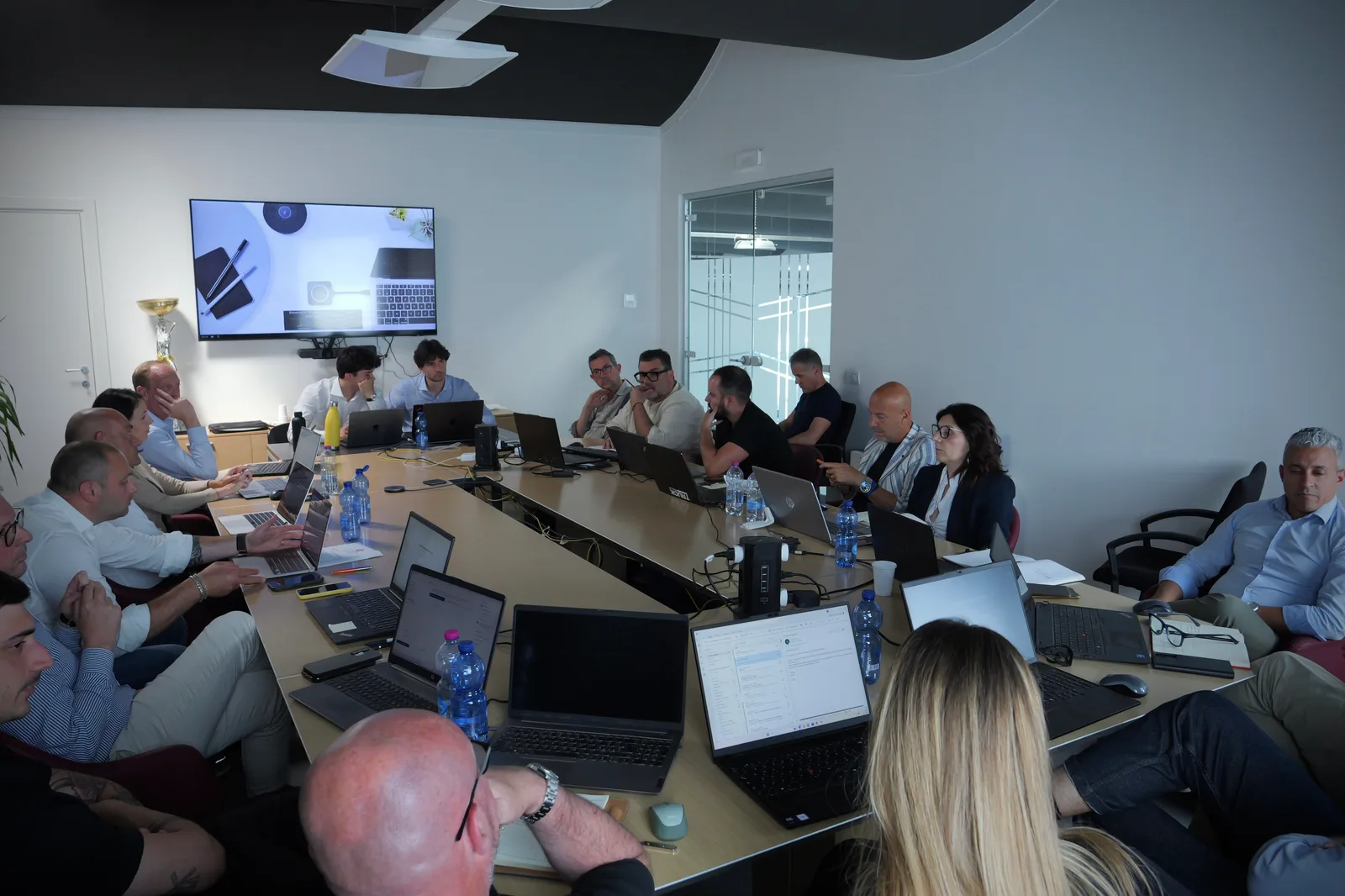
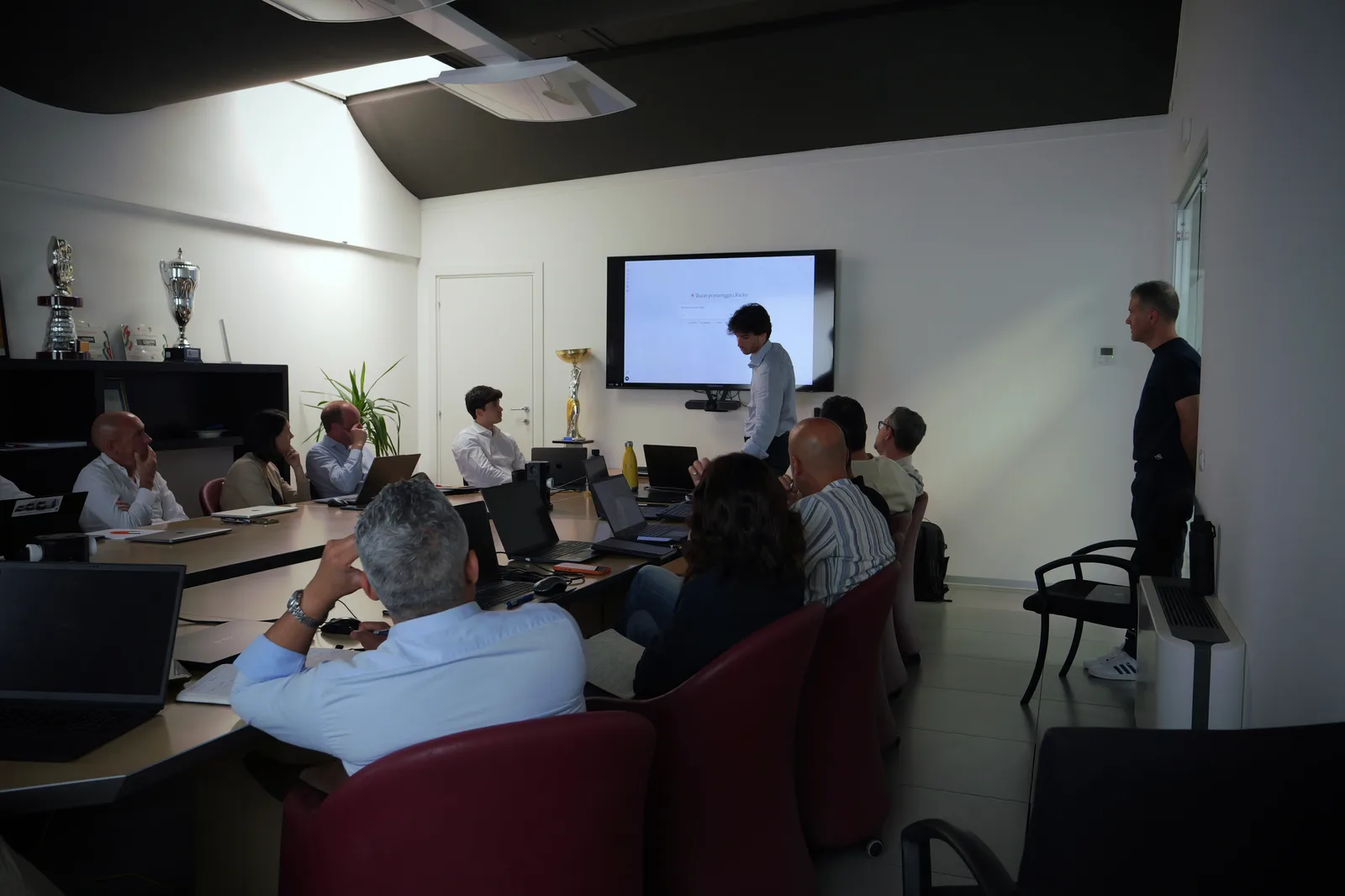
IT was not in the room. The CEO was, along with the general manager, the CFO, the operations director and the heads of the eight sites: the people who set priorities, not the ones who write code. None of them wrote a line of code in two days.
This is deliberate. If AI stays the experiment of whoever is already curious, the company accumulates disconnected tools and no decisions. If instead the people who assign priorities understand it, it becomes a criterion for choosing what to work on.
The starting point, measured before we walk in
Two weeks before the sessions every participant fills in a ten minute assessment. It tells us who already uses AI, who will push back and for exactly what reason, which software each person uses and which of their tasks are the most repetitive. The two days are calibrated on those answers.
At Truck Italia the picture that came out was better than average:
curious about AI
enthusiastic
The main blocker they declared, out of 17 respondents:
- 8 already use it with no blockers
- 6 do not know where to start
- 2 have no time to learn it
- 1 does not trust the output
No declared sceptics. In the companies we work with, the share of people who are sceptical or actively resistant usually sits between 30% and 35%.
That figure changes the work in the room: half the audience was already operational, the other half had a blocker of method, not of technology. Nobody needed convincing, everybody needed the same starting point.
The five families of repetitive work that came out
The assessment does not only ask what people think about AI: it asks what they do every day and how long it takes them. The answers group into five families. Adding up the estimates people declared gives more than 120 hours a week of repetitive work, counted on the management team alone.
- Reports, dashboards and KPIs compiled by hand from several systems. The large majority of the group, around 47 hours a week. Data from three different management systems retyped into a spreadsheet, dashboards that merge exports from separate systems, KPIs pulled from the ERP and from business intelligence, weekly reports. It touches every level, from the CEO to the controller.
- Email. A little under half the group, around 31 hours. Some spend more than five hours a week just turning long email threads into summaries they can decide on. Almost nobody declares less than one or two hours of email a day.
- Manually retyping data between systems. A cross-functional group, around 12 hours. Customer records, fines and claims entered by hand, supplier invoices checked against several systems, data pulled out of PDFs and contracts, document filing. This is the double entry that feeds the point above.
- Checking contracts, orders and quotes. Across sales and administration, around 22 hours. Contract approval and deal analysis alone are worth more than five hours each for the people handling new vehicles, on top of margin checks, order controls, rental clauses and quote preparation.
- Operational coordination. A small group, around 9 hours. Calendars and planned activities, to-do lists, tracking vehicles due for delivery, arranging medical checks and courses.
That list is the agenda for day two: you do not automate what looks automatable in theory, you automate what people have just declared they do every week.
The method, in four phases
1. Assessment
The one described above. Two things come out of it: the personalised template each person will receive in the room, and the approach to take during the sessions. Training a team that already uses developer tools is a different job from training people who have never opened a model.
2. The workshop, two days on site
On site and not online, because an online workshop gets watched only because someone told people to watch it.
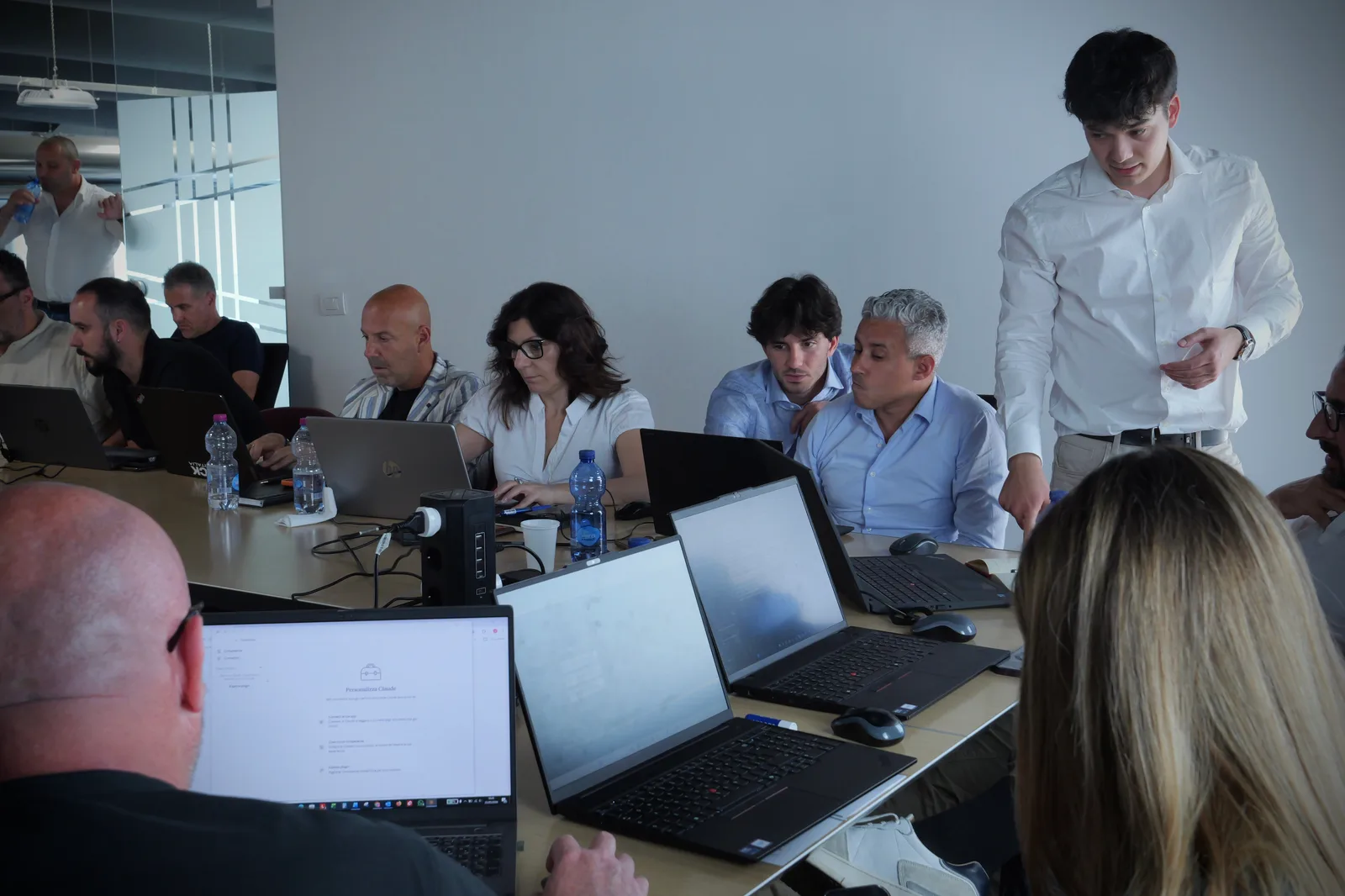
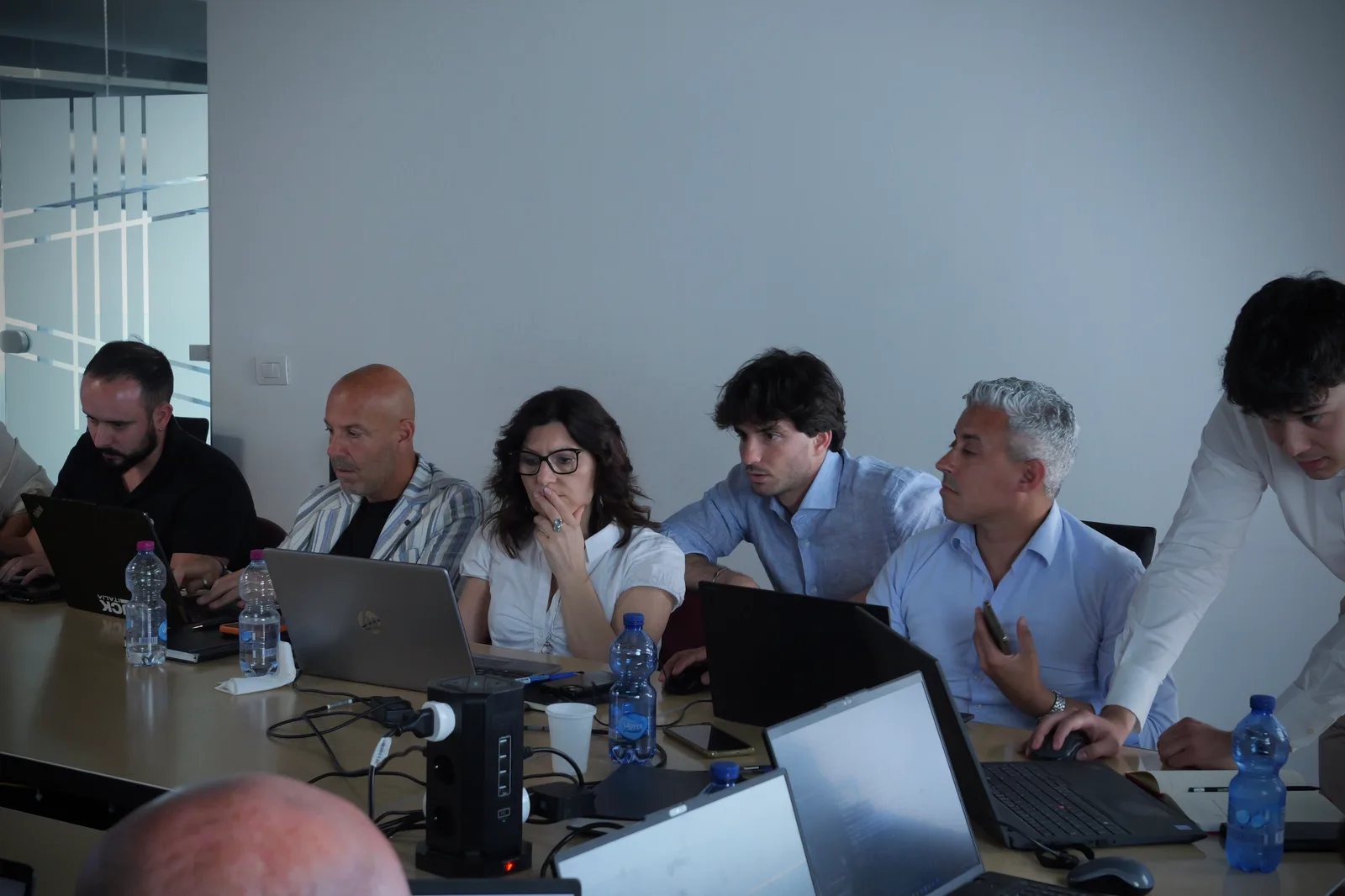
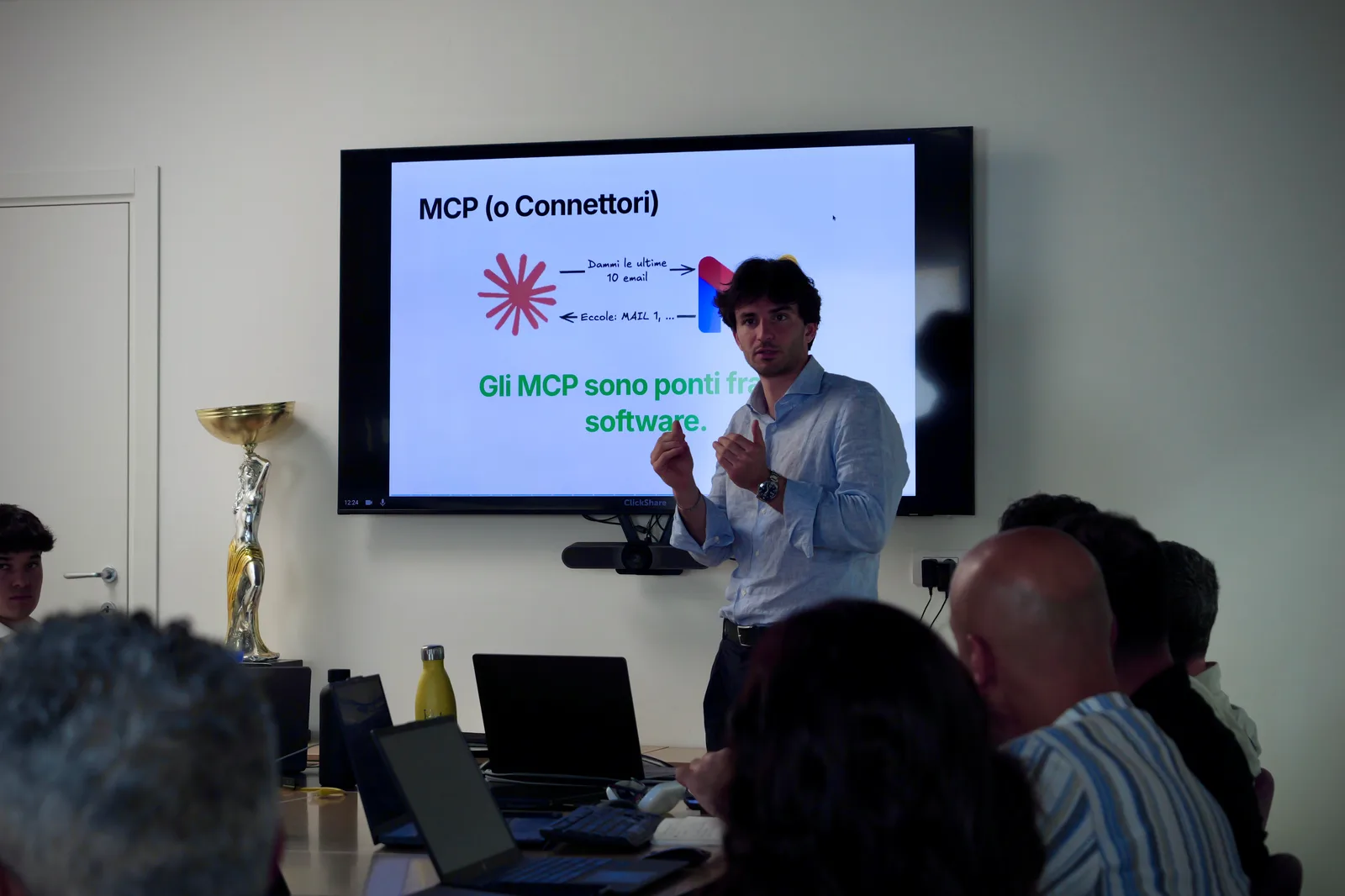
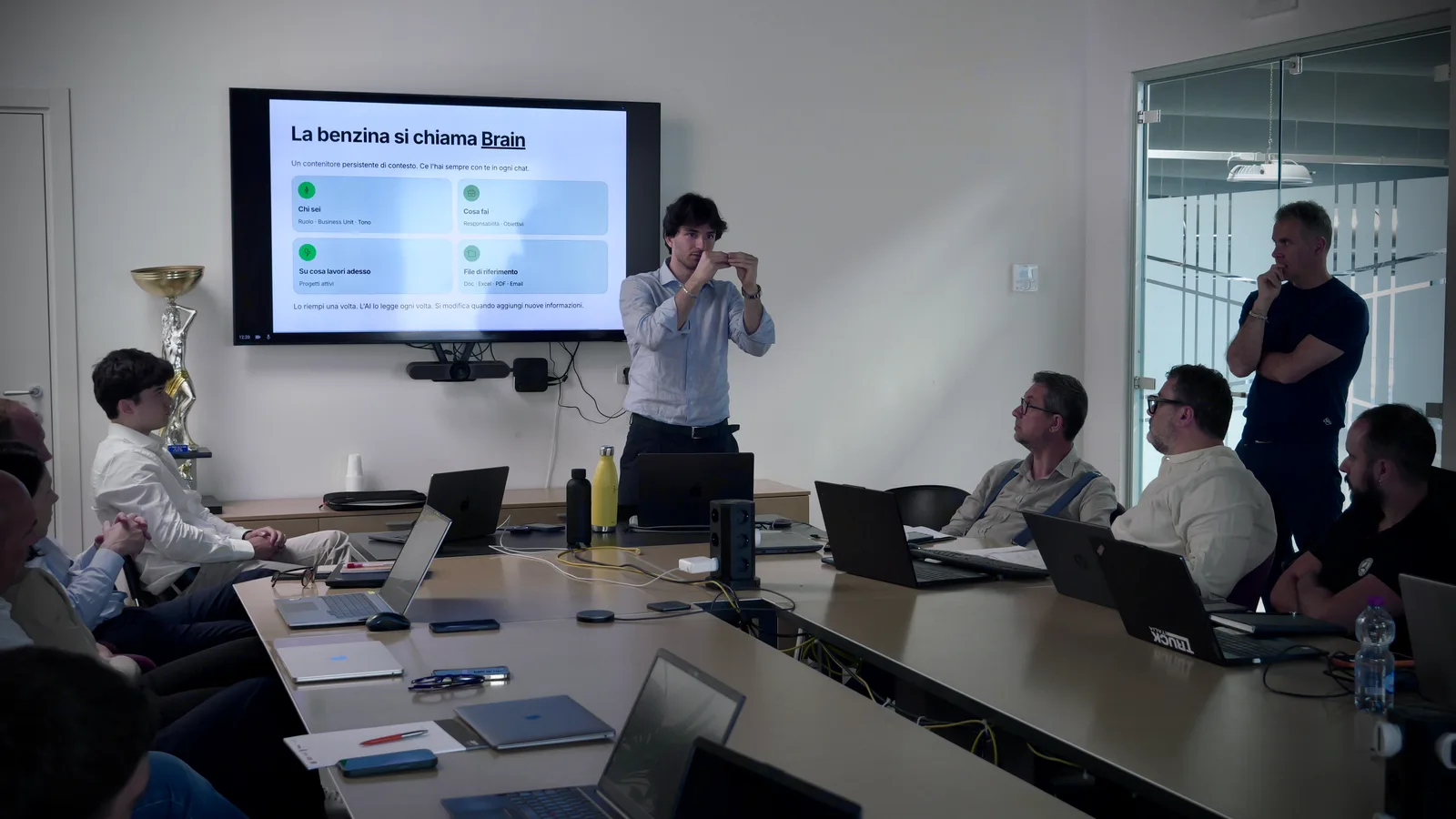
On day 1 each person builds their own second brain: a stable context covering who they are, which team they belong to, what their objectives are and how they write, so that every new conversation does not start by explaining everything again. That context is then connected to the software the person actually works on, from the management system to spreadsheets to email.
On day 2 the repetitive tasks surfaced by the assessment get automated by building skills: procedures the model learns and reuses. The success metric for the day is two to three skills built by each participant. No slides: everyone works on their own files.
3. Continuous training
Two days on their own are not enough, and it would be dishonest to claim otherwise. At the end of the workshop the room splits in two: those who have already started building skills, whom we call AI champions, and those who fell behind. The first group needs coaching, one to one or in groups, because they are the ones who pull adoption along; the second needs asynchronous courses before moving on to coaching. Without this phase the training dissipates within a few weeks.
4. Measurement
Two or three weeks later the same assessment is run again. Task by task, we look at which ones have been automated and by whom, how many hours have been freed and what those hours were reinvested in. It is also the moment when problems surface: the people who never started, and the reason why.
What happened in the room
The question that took up the most time was not technical but about data confidentiality: where does what you type into a model end up, and what changes between a free plan and a corporate setup. It is the right question for anyone handling sensitive documents, and the answer is not the same for everyone: you can work without connecting the most delicate systems, or build a dedicated setup on cloud infrastructure with the data staying on European servers, which is more complex and more expensive and usually becomes a phase two.
The outcome participants mentioned most, however, was not technical. Putting different departments and functions on the same tool at the same time produced what the CEO called a cross-pollination: use cases neither function would have seen on its own.
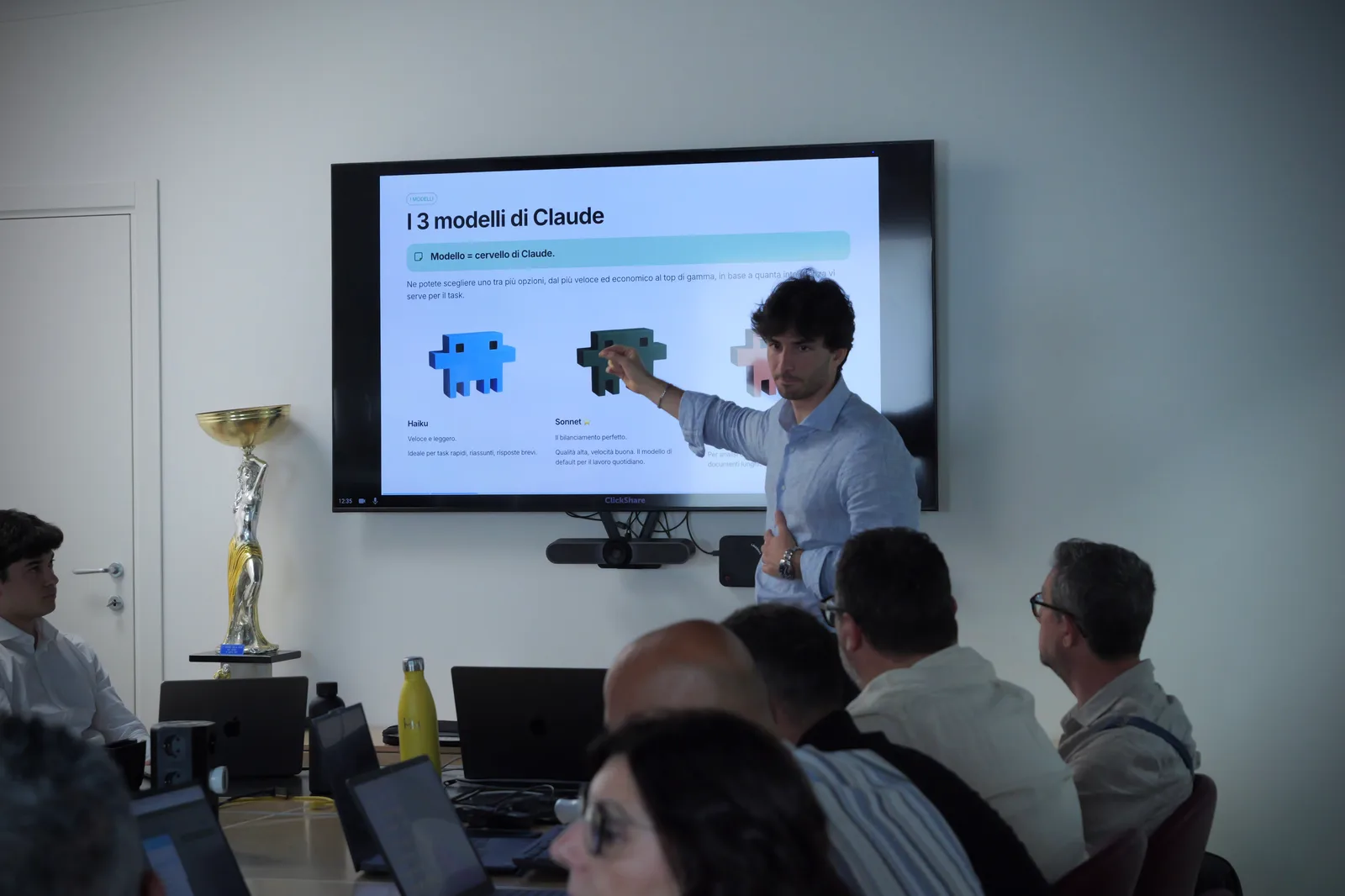
"The course opened up a range of things I can do to make my own work more efficient, and my team's work too. I will use what I learned for document analysis, for reporting and for organising my day: I saw it works well with our Office systems."
Operations Director, Truck Italia
What comes next
Training is the starting point, not the project. With Truck Italia a development track starts now: the use cases that surfaced in the room turn into things that run on their own, built on the processes and the software the company already uses.
A note on budget
For many Italian companies a significant share of the cost of training is covered by inter-professional funds, chamber of commerce vouchers or regional grants. It is not automatic and it does not apply to everyone: it depends on the legal structure of the company, on which fund it has joined and on what is open at that moment. A call is enough to work out in ten minutes whether the case qualifies, and the company's labour consultant can confirm it in one phone call.
"They were two very intense days. We built the second brain thanks to the suggestions and the setup the team gave us. It was genuinely interesting to understand the potential of the tool together with the whole management team, and there was a cross-pollination between departments and functions that sparked a lot of ideas and a lot of questions about where this goes next."
Want similar results for your company?
Tell us about your challenge. We'll find the right AI solution for your business together.
Let's Talk