AI training for the ADR Center management team, mediation and dispute resolution
In short: from problem to solution
- The problem: an organisation that runs on cases, documents and correspondence, with a management team spending hours every day on repetitive work: the same questions in the inbox, mediation files retyped field by field into the platform, control spreadsheets rebuilt every month.
- The solution: an assessment before we walk in, to measure where the time actually goes, then days on site where every member of the management team builds their own second brain and the skills that automate the tasks they had just declared.
- The result: the management team walks out with tools built on their own tasks, not with a demo they watched someone else run, and with a map of where automation is worth the most. The development work starts from there.
Who ADR Center is
ADR Center works in alternative dispute resolution: civil and commercial mediation under Italian Legislative Decree 28/2010, training for mediators, law firms, companies and public bodies, and advisory work for governments and institutions on mediation systems. It has been operating since 1998, is based in Rome and states it has more than fifty offices in Italy and seventeen abroad.
Its remit also covers the ODS service, the out-of-court dispute settlement body foreseen by the European Digital Services Act: a machine that takes in complaints, works them up and closes them on tight deadlines. It is the kind of operation where repetitive work is not an annoyance but a direct cost, because every case brings its own email, its own documents and its own deadlines.
Why you start with management
The room held the leadership group, from the office management to the finance director to the CEO. This is not about seniority: in an organisation whose work is made of procedures, the people who design the procedures are the ones who decide whether AI stays an individual toy or becomes the way the work gets done.
The starting point, measured before we walk in
As in every engagement, the days were preceded by an assessment filled in by the whole group. It tells us who already uses AI and with which tool, which software people really use every day and, above all, where the time goes: task by task, hours on the table.
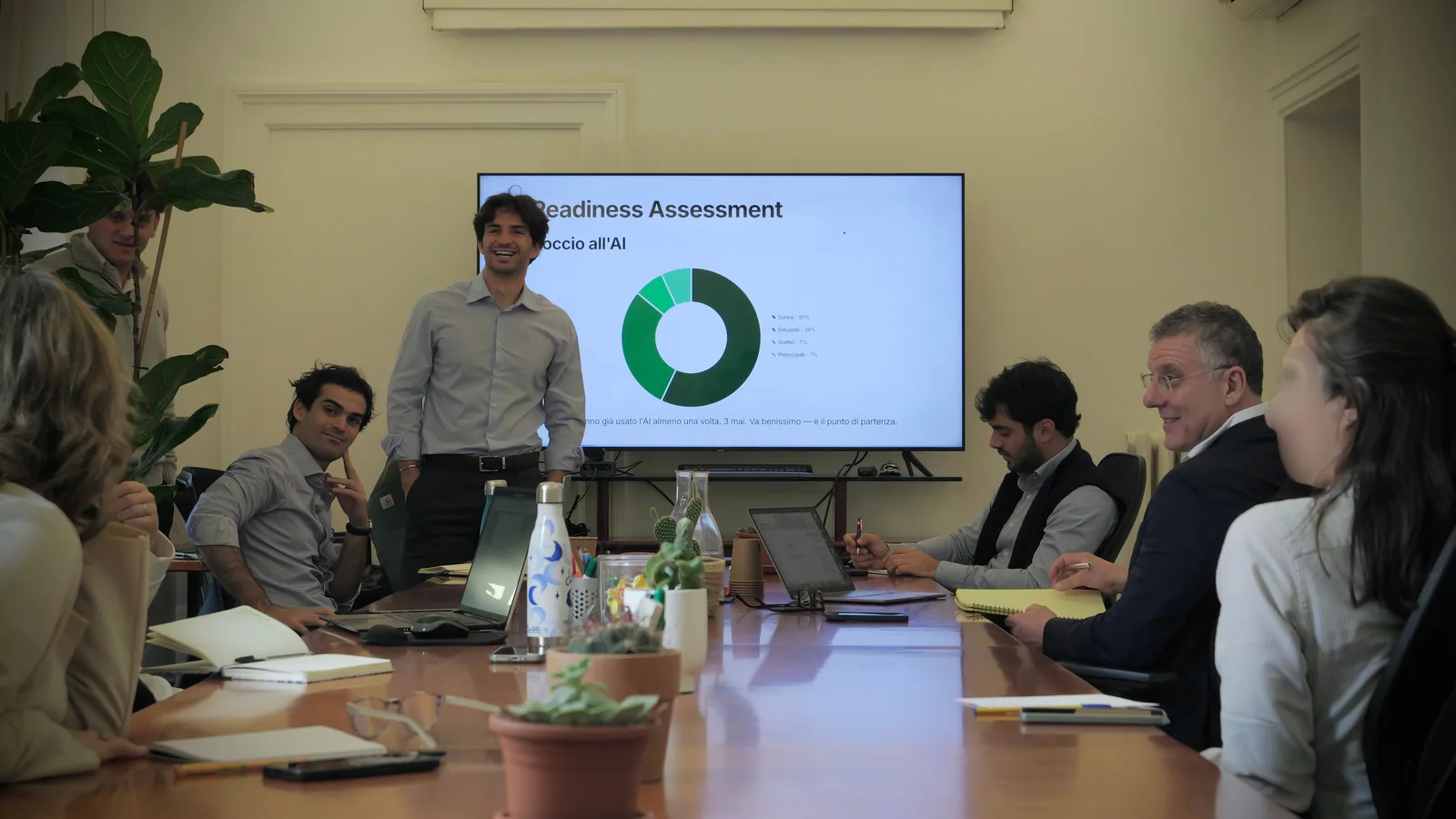
The five families of repetitive work that came out
- Email and recurring requests. The largest share of the group. The same questions on loop about the ODS service: how to file a complaint, where the case stands, how long it takes, how it ended. They are answered with standard templates that have to be reworked every time. Everyone declares more than two hours a day on email alone.
- Uploading documents into the platform by hand. The most mechanical cluster: mediation files arrive as PDFs and have to be retyped field by field. For most of the people doing it, that is more than five hours a week.
- Accounting reconciliation and control spreadsheets. Invoices and receipts checked against card statements, company cost files, KPI calculations. Office management, the finance director and the CEO all handle it: three different levels on the same work.
- Repetitive commercial writing. Around twelve hours a week for the person running business development: cold email, LinkedIn messages of the same kind, post-meeting summaries, course proposals. That is where all the repetitive sales time sits.
- Calendars, postponements and phone calls. Updating the dates of postponed meetings, passing numbers to the other offices. Low volume, but it breaks up the day over and over.
What was done in the room
The first step is the second brain: for each person a stable context covering who they are, which function they belong to, the constraints they work under and how they write, so that every new conversation does not start by explaining everything again. That context is then connected to the software that person actually works on.
The second step is skills: procedures the model learns once and reuses, built on the tasks in the list above. The standard reply to the recurring question about the status of a case, extracting fields from a mediation PDF, checking a reconciliation sheet, the first draft of a commercial proposal.
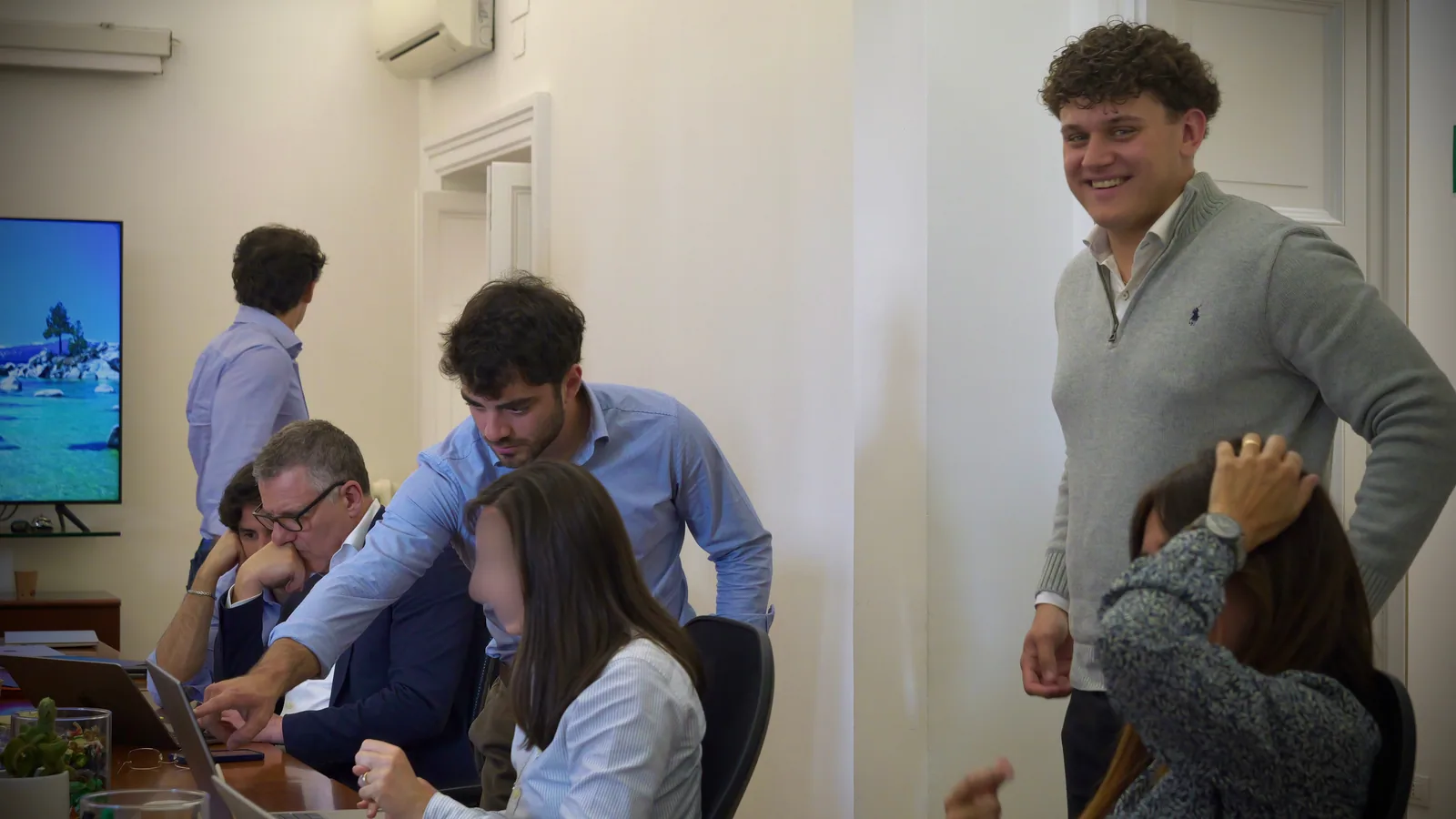
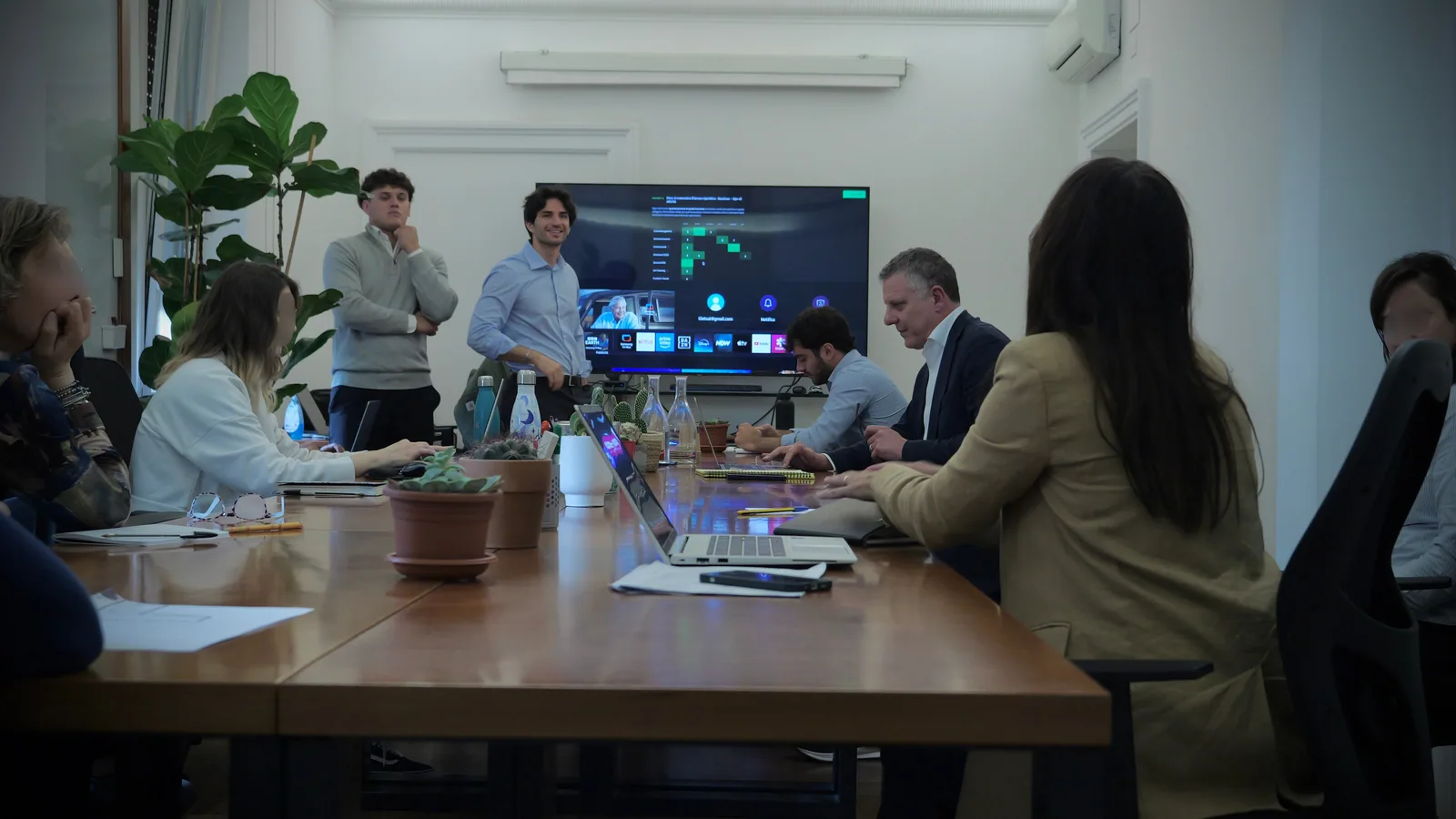
None of the automated tasks were picked by us: they were all on the list that came out of the assessment, written by the people who do them.
What comes next
The days do not close the work with ADR Center, they open it. From here a collaboration starts on two tracks: more training, to bring the rest of the organisation to where the management team is now, and a development period together, to build and put into production the automations the assessment shows are worth the most.
Want similar results for your company?
Tell us about your challenge. We'll find the right AI solution for your business together.
Let's Talk